Gladstone, Hendrix, and the Death-Defying Empire State Building Lovebirds
WORDS BY TOM CRONK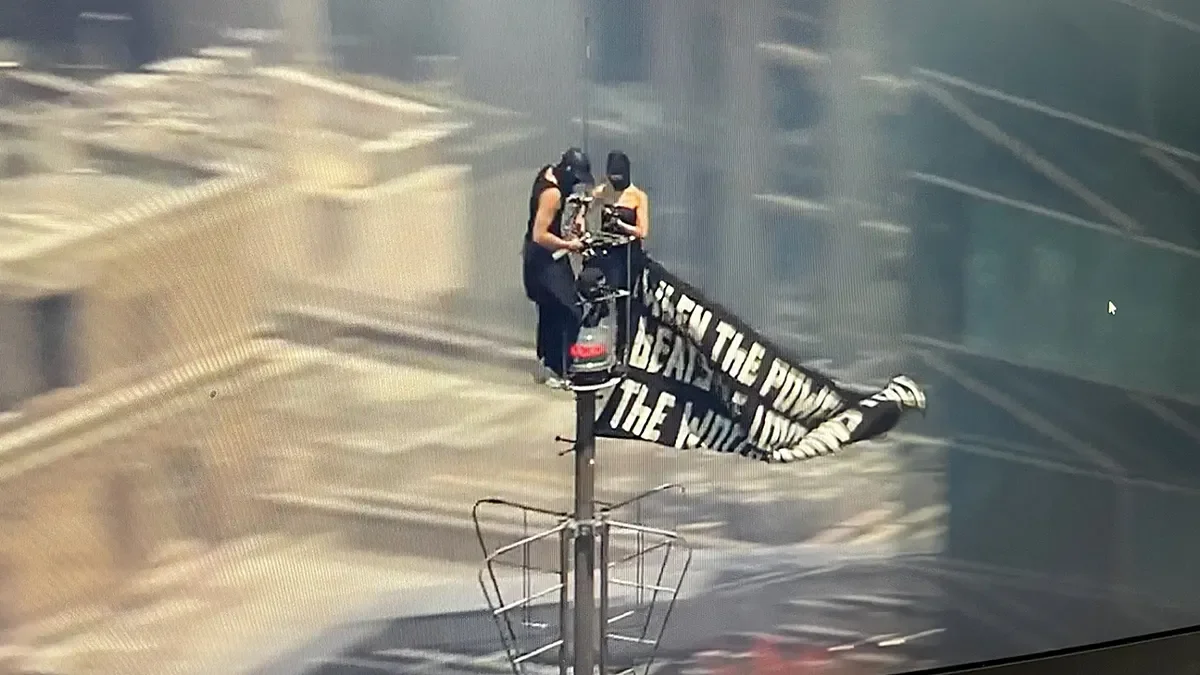
When someone climbs to the top of New York’s skyline, the world watches.
Nerves of steel, an engagement ring, arrests.
Then, promptly, came the counterstories suggesting this athletic feat of devotion is nothing more than a high-stakes marketing activation for whatever is to come next for climbers Angela Nikolau and Ivan Beerkus.
But we’re not pivoting towards breaking news, so you can read up on the story, via the BBC, here.
Instead, today, I’ll focus on the words emblazoned across the flag they unfurled up there, on that windswept 200ft telecomms antenna at the heart of the American metropolis:
“When the power of love beats the love of power the world knows peace"
Nikolau & Beerkus, 2026It’s a powerful statement. And it’s one which immediately sparked my own antenna.
That’s (almost verbatim) a Jimi Hendrix line!
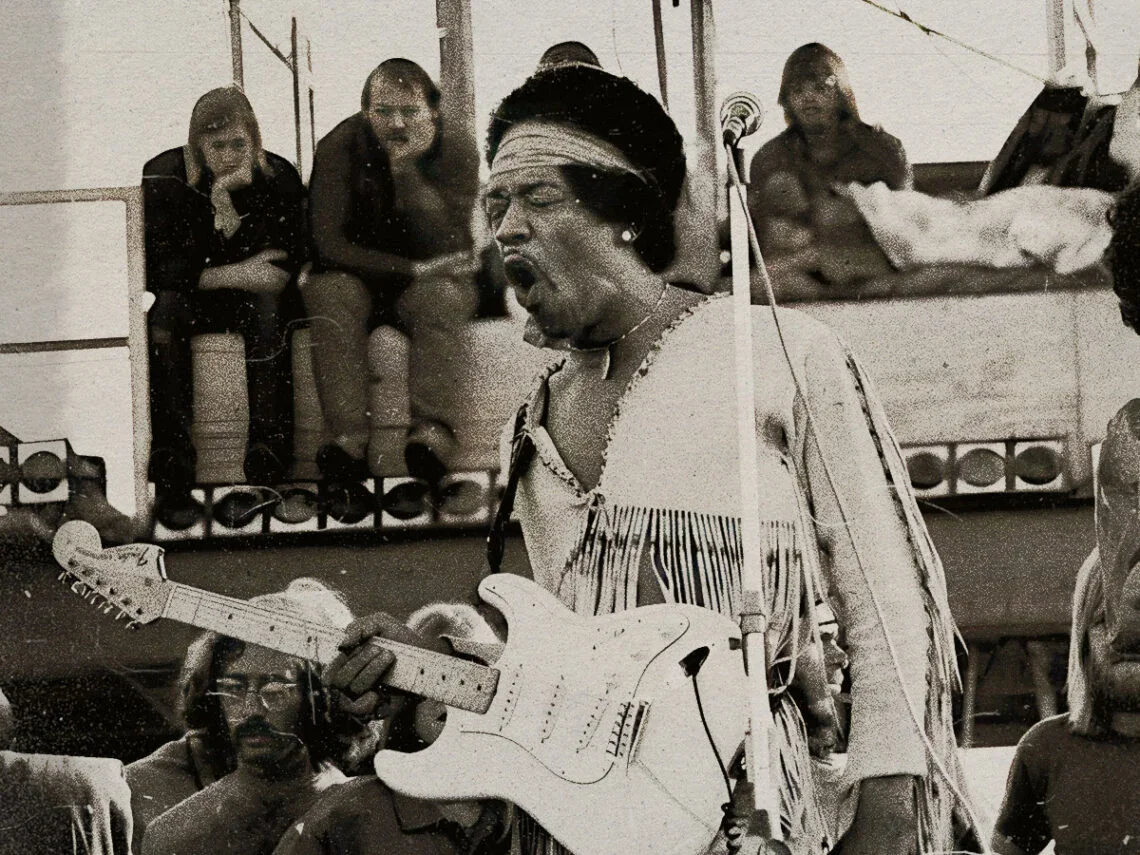
"When the power of love overcomes the love of power, the world will know peace."
Jimi Hendrix, C20th-Cue Star Spangled Banner turned up to 11-
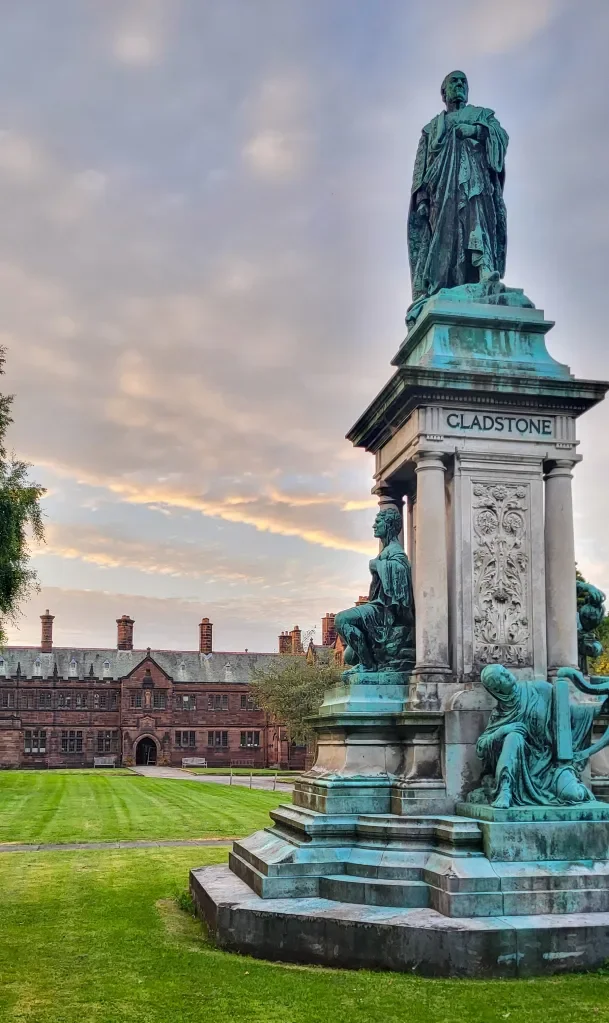
But, dig a little deeper, and you’ll discover Jimi’s line is itself rooted within one of Prime Minister William Gladstone’s most iconic and timeless quotes.
"We look forward to the time when the Power of Love will replace the Love of Power. Then will our world know the blessings of peace."
William Ewart Gladstone, C19th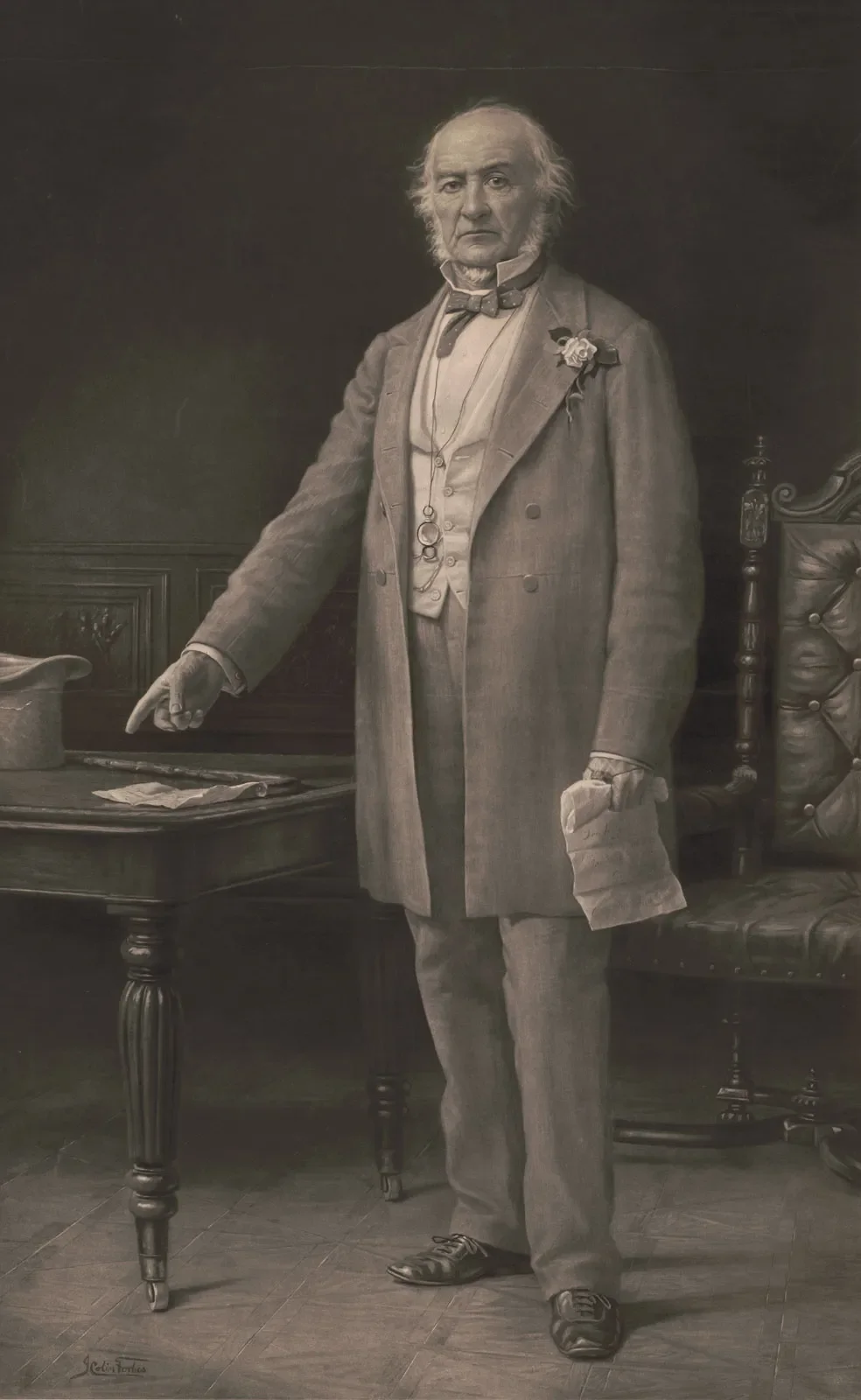
Naturally, the mind then wanders.
How did Gladstone land on these famous words? His intellectual might didn’t exist in a vacuum, of course, great minds and great orators were all around.
At his height, Gladstone was, perhaps, the most famous man in the world.
Maybe Hendrix achieved such stardom, too?
He certainly would have felt it, stood in front of half a million at Woodstock ‘69.
But what do these three quotes tell us.
And how can we best carry them forward, to turn them from t-shirt slogans and flags, to everyday actions that help make life good?
Some closing thoughts from me:
Ideas endure far longer than people.
Words that last are often detached from their original author entirely.
A good quote can be adopted.
The more universal the sentiment, the more likely it is to become removed from its author.
Culture is a set of stories.
Quotes are shortened, polished, misremembered, bastardised and -perhaps- improved with every retelling.
Many famous quotes lack precise attribution.
Given the 24/7 content creation of the 21st Century, perhaps this won’t be true much longer.
Aspiration over attribution.
We all enjoy credit where it’s due. But Gladstone’s ‘original’ quote transcends centuries. As such, it remains deeply poignant and stoically optimistic.
True originality is hard to come by.
What’s that Picasso quote?
“Good artists copy, great artists steal.”
Or, was it TS Eliot?
"Immature poets imitate; mature poets steal."
You see where I’m going with this…
It still matters who said it.
Wisdom attached to a giant of British politics, or one of rock’s all-time greats, simply carries more heft than my insight, or the banner unfurled by some daredevils in NYC. And that’s OK.
The real power within these words of Nikolau & Beerkus, Hendrix and Gladstone, lies not within who said it first, but in how many people feel compelled to say them again.
